WORDS OF WISDOM
“A mistake is information about a choice, not a final verdict on the person who made it.”

THE FREEDOM TO LEARN WITHOUT SELF-CONDEMNATION.
There is a particular kind of disappointment that comes from realizing we made the wrong decision.
We trusted someone who did not honor that trust.
We pursued an opportunity that did not develop as we expected.
We said yes when we should have reconsidered.
Or we acted with confidence before understanding everything we needed to know.
Looking back, the answers may appear obvious.
We begin to question how we could have missed what we now understand.
And sometimes, that questioning becomes something more painful.
We stop examining the decision and begin judging the person who made it.
We tell ourselves that we should have known better.
That our instincts cannot be trusted.
That one disappointing outcome reveals something fundamentally wrong with our judgment.
But wisdom requires a more compassionate understanding of human decision-making.
“Being accountable for a mistake does not require making shame part of your identity.”
Every decision is made within the limits of what we know, what we believe, and the circumstances available to us at the time.
Sometimes we overlook important information.
Sometimes we act too quickly.
Sometimes another person's behavior influences an outcome we could not reasonably have predicted.
And sometimes we make choices that deserve honest acknowledgment and correction.
These realities are not interchangeable.
Learning requires us to understand the difference.
If we made a mistake, we can take responsibility.
If we overlooked something important, we can become more attentive.
If someone misrepresented the truth, we can recognize that their actions are not automatically evidence of our incompetence.
And if circumstances changed, we can reconsider our choices without condemning ourselves for not predicting the future.
Personal growth does not emerge from the belief that we must always be right.
It develops through our willingness to remain honest when we are not.
We can examine our decisions without endlessly punishing ourselves.
We can listen to criticism without assuming every criticism is accurate.
And we can become wiser without treating the person we used to be as someone unworthy of compassion.
Because self-trust is not the belief that we will never make a mistake.
It is the confidence that we can respond to what we learn without abandoning our integrity.
A QUESTION TO CONSIDER
What past decision are you still using as evidence against yourself, rather than allowing it to become something you have learned from?
ABOUT ALEXANDRIA
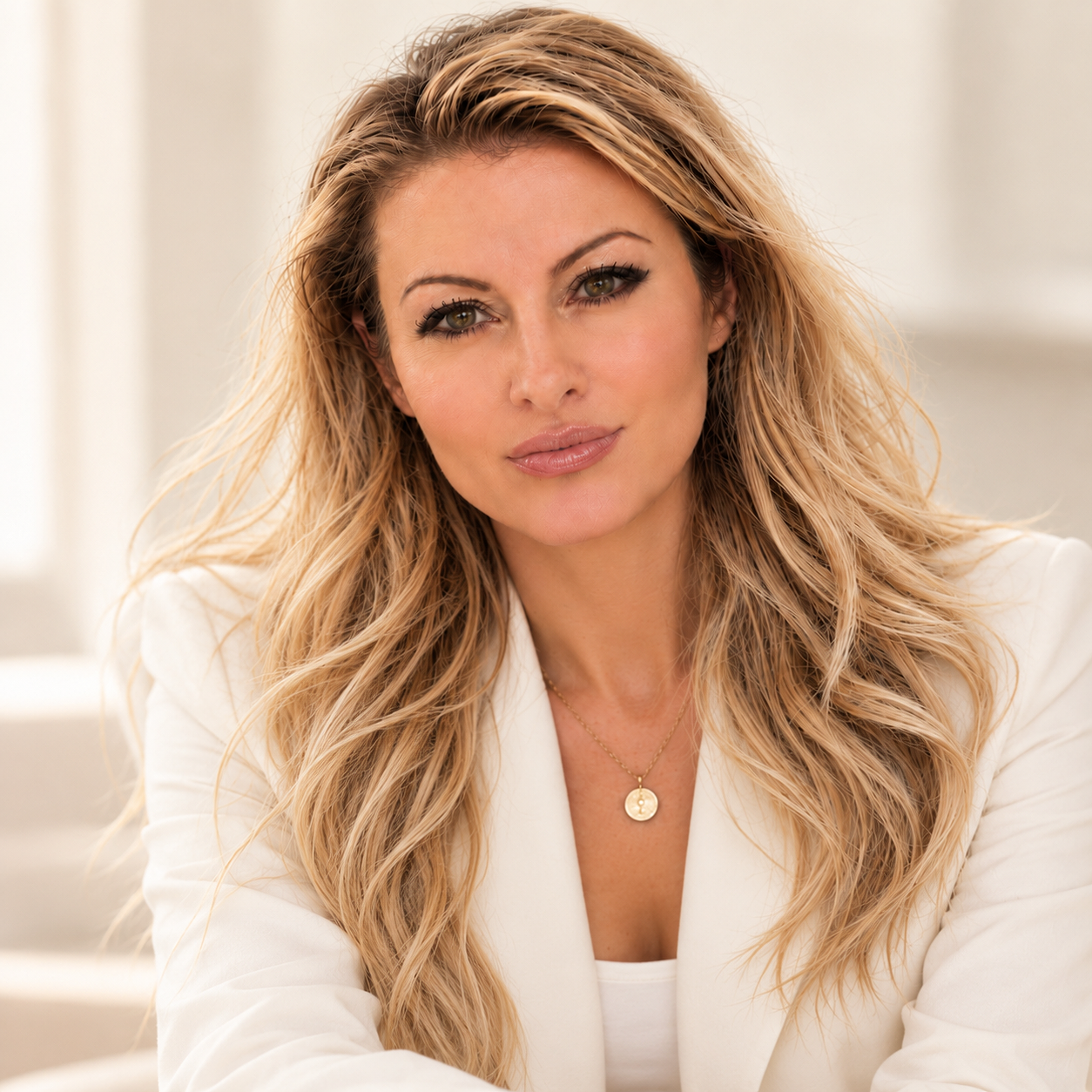
Alexandria Tava is a Certified Holistic Producer and Advisor with over fifteen years of experience in holistic wellbeing, personal growth, and transformation. Her interdisciplinary work explores self-trust, human agency, ethical leadership, and the connection between individual and collective wellbeing.
See a typo or inaccuracy? Please contact me so I can fix it!