WORDS OF WISDOM
“Being allowed to speak is not the same as having a meaningful opportunity to be heard.”

WHEN DIFFERENCE BETWEEN EXPRESSION AND INFLUENCE.
We often celebrate the importance of finding our voice.
Speaking our truth.
Asking difficult questions.
Standing up for what we believe.
And there is genuine power in developing the courage to express ourselves.
But having a voice is only part of what makes participation meaningful.
A person may be invited to share their concerns while having little opportunity to influence what happens next.
They may complete the necessary forms.
Follow the appropriate procedures.
Attend the meetings.
Explain their experiences.
And still find themselves uncertain about whether anyone has meaningfully considered what they have communicated.
This reveals an important distinction.
Expression allows us to communicate.
Meaningful participation creates an opportunity for that communication to be considered within a fair and responsive process.
“A system that welcomes our words but refuses to examine their meaning has not necessarily welcomed our participation.”
This principle extends far beyond formal institutions.
It matters in families, relationships, workplaces, schools, and communities.
Listening requires more than remaining silent while another person speaks.
It involves considering the substance of what has been shared.
Asking thoughtful questions.
Clarifying uncertainty.
And being willing to explain how decisions have been reached.
Meaningful listening does not require automatic agreement.
Every concern deserves fair consideration, but fairness also requires attention to evidence, competing interests, and the rights of others.
The goal is not to guarantee that everyone receives the outcome they desire.
It is to ensure that people have a genuine opportunity to participate in decisions that affect their lives.
And that opportunity becomes limited when processes are inaccessible, information is unclear, or the cost of seeking a response is beyond someone's available resources.
Personal courage matters.
But courage alone cannot repair a process that has been designed without meaningful access.
We need institutions that make participation possible.
Leaders who recognize the difference between consultation and accountability.
And communities that understand how easily the appearance of listening can replace the responsibility to respond.
Because the right to speak becomes more meaningful when there is also a fair opportunity to be considered.
And a society that values human dignity must care not only about who has a voice, but about whether that voice can reach the places where decisions are made.
A QUESTION TO CONSIDER
Where in your life or community are people being invited to speak without being given a meaningful opportunity to influence what happens next?
ABOUT ALEXANDRIA
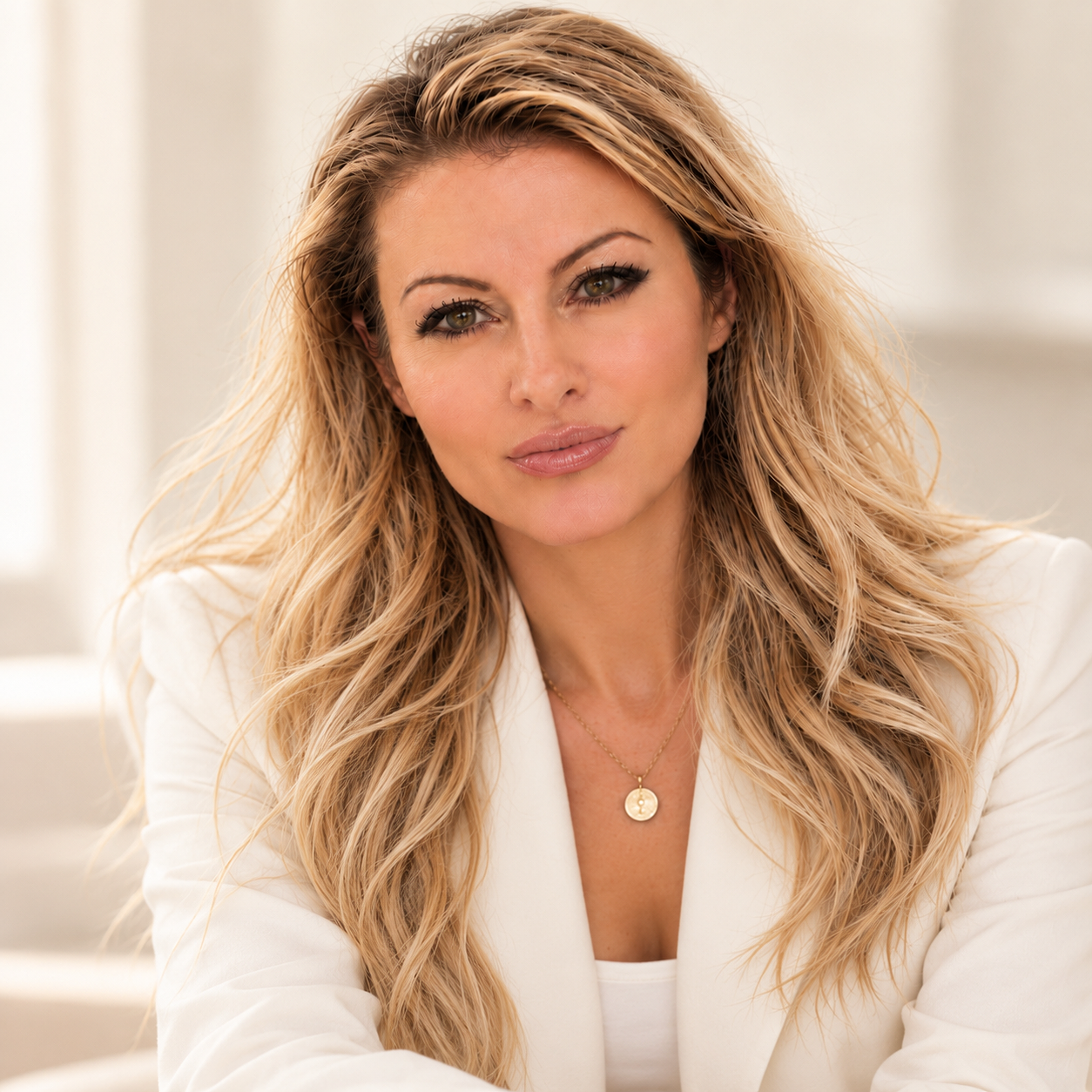
Alexandria Tava is a Certified Holistic Producer and Advisor with over fifteen years of experience in holistic wellbeing, personal growth, and transformation. Her interdisciplinary work explores self-trust, human agency, ethical leadership, and the connection between individual and collective wellbeing.
See a typo or inaccuracy? Please contact me so I can fix it!