WORDS OF WISDOM
“Turning away does not make harm disappear. It only changes who is left to carry it.”

WHEN RESPONSIBILITY OF PAYING ATTENTION.
There is a quiet temptation to believe that what does not directly affect us does not require our attention.
We continue with our responsibilities.
Protect our routines.
Avoid conversations that may become uncomfortable.
And tell ourselves that someone else is better positioned to respond.
Sometimes this hesitation is understandable.
We may lack information.
We may be uncertain about what has happened.
We may have legitimate concerns about our own safety or the consequences of becoming involved.
Wisdom requires us to acknowledge these realities.
But it also asks us to examine the difference between thoughtful restraint and habitual avoidance.
When something appears wrong, the easiest response is not always the most responsible one.
“We cannot claim to value dignity while remaining indifferent to the conditions that threaten it.”
Human beings are influenced by the expectations of the communities around them.
When harmful behavior is consistently ignored, minimized, or excused, silence can gradually become part of the environment that allows it to continue.
And when people learn that expressing concern will be met with ridicule, retaliation, or disbelief, they may become less willing to speak.
This does not mean every person has the same responsibility or capacity to intervene.
Nor does it mean that every allegation should be accepted without thoughtful examination.
Accountability requires fairness, attention to evidence, and respect for the rights of everyone involved.
But fairness is not the same as indifference.
We can ask questions without dismissing concerns.
We can listen without claiming to know what we have not established.
We can seek appropriate guidance, document what we know, or support safer processes for addressing problems.
And when direct involvement would place someone at risk, responsibility may begin with recognizing those limitations and considering what safer action is possible.
Moral courage does not always arrive through dramatic gestures.
Sometimes it begins with refusing to pretend that a difficult reality is invisible.
With the willingness to acknowledge another person's humanity.
With recognizing that our choices contribute to the standards our communities eventually accept.
Because the world does not become more humane simply because we believe in compassion.
It becomes more humane when those beliefs influence what we are willing to notice, question, and protect.
A QUESTION TO CONSIDER
Where might greater attention, thoughtful questions, or responsible action help protect the dignity of someone whose concerns are being overlooked?
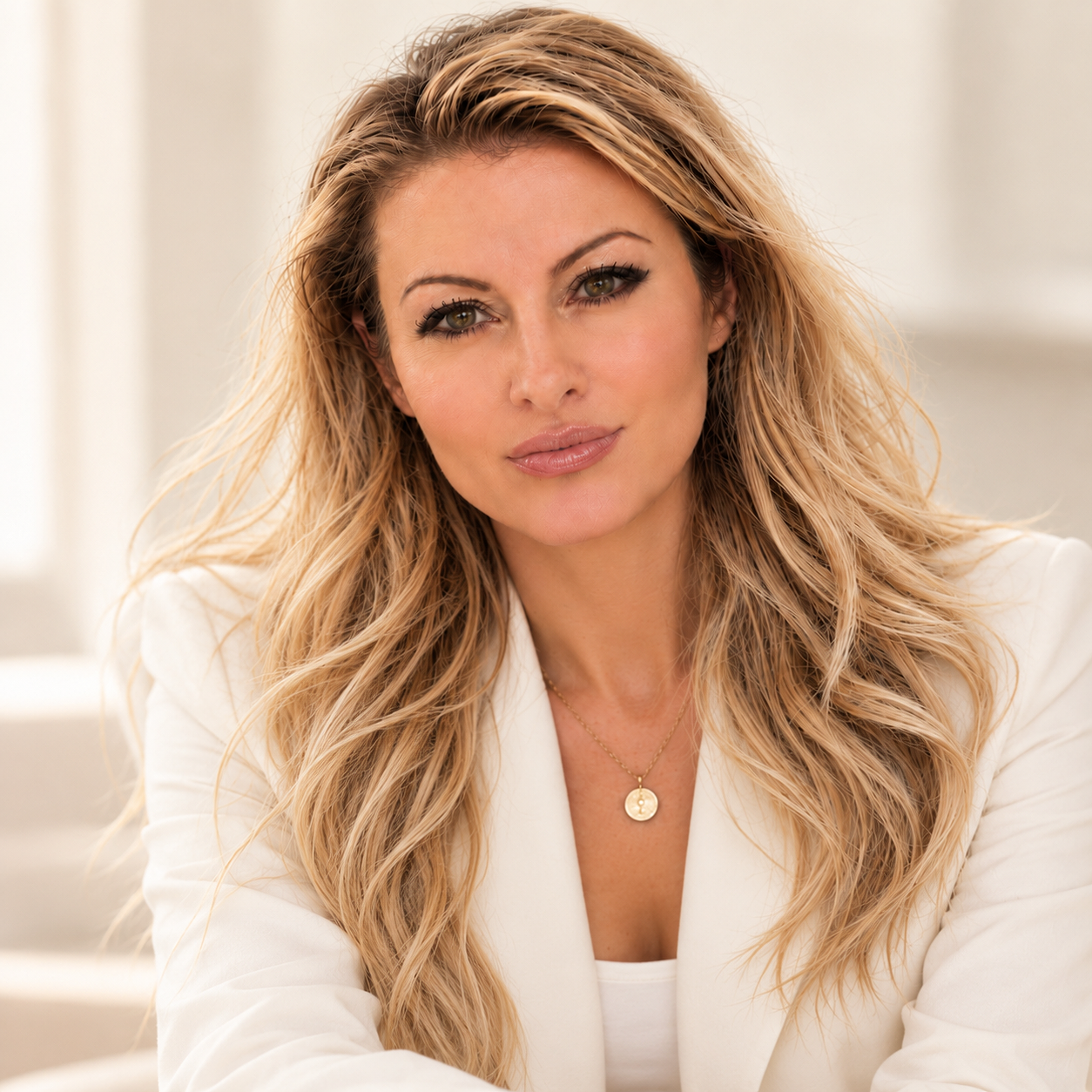
ABOUT ALEXANDRIA
Alexandria Tava is a Certified Holistic Producer and Advisor with over fifteen years of experience in holistic wellbeing, personal growth, and transformation. Her interdisciplinary work explores self-trust, human agency, ethical leadership, and the connection between individual and collective wellbeing.
See a typo or inaccuracy? Please contact me so I can fix it!